Identity theft isn't a niche threat anymore: it's a documented, worsening trend. The FTC logged over 1.1 million identity theft reports in 2024, up nearly 10% from the year before, and losses tied to online fraud and identity crime now run into the tens of billions of dollars every year. The trend line has been moving the same direction for years: up.
None of that means your identity has been stolen. It means the odds of it happening to someone in your circle (a parent, a spouse, a coworker) are climbing every year, largely because so much of your personal data now lives outside your control: in retailers' databases, healthcare portals, old accounts you forgot existed. Any one of those can be breached without you ever knowing, and a stolen Social Security number doesn't expire. Criminals can sit on it for months before using it.

Why Monitoring Exists, and Why It's Hard to Do Yourself
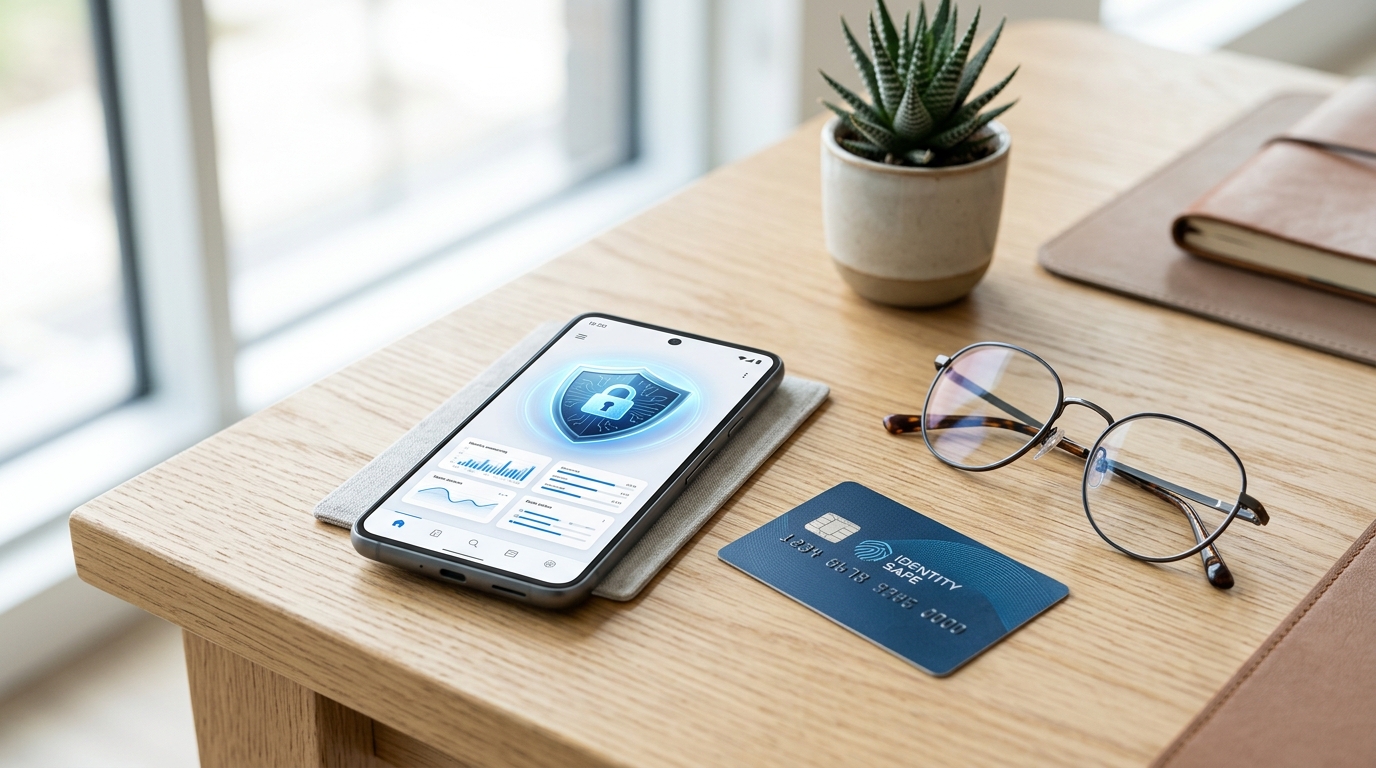
Identity theft protection services exist because no one can realistically watch every credit bureau, bank account, and dark web forum on their own, every hour of the day. These services monitor your SSN, credit files, and financial accounts continuously, and alert you the moment something looks off: a new account opened in your name, a hard credit inquiry, your credentials showing up in a breach. The better ones back that monitoring with real insurance and human specialists to help undo the damage if it happens anyway.
Why Waiting Has a Cost
Javelin found that victims now spend an average of 10.4 hours resolving identity fraud, up from 9.5 hours in 2023, and that's just the initial cleanup. The Identity Theft Resource Center's 2025 Trends in Identity Report found that nearly half (48%) of cases where victims sought professional assistance were still unresolved after 12 months. On top of the time, there's the financial exposure: drained accounts, damaged credit right when you need it most, tax refunds filed by someone else before you get to it.
Protection costs a few dollars a month. Not having it, if your number comes up, costs real hours and real money you didn't plan to spend.
Where to Start: Aura
When Money.com evaluated 25 identity theft protection services across 28 data points (pricing, monitoring depth, restoration support, and cybersecurity tools), Aura ranked Best Identity Theft Protection Overall, a distinction backed by a brand profile serious enough that Robert Downey Jr. has signed on as its spokesperson.
What sets it apart:
- Speed: Based on 2025 independent testing, Aura delivers fraud and credit alerts up to 650x faster than competitors, the difference between blocking fraud before it happens and finding out weeks later.
- Coverage: Every adult member gets $1 million in identity theft insurance for eligible losses and recovery costs.
- Breadth: Three-bureau credit monitoring, dark web and data breach alerts, bank account monitoring, antivirus, VPN, and password manager in one plan.
- No-risk trial: A 60-day money-back guarantee. Try it, and if it's not for you, get a refund.
- Current offer: New members can save 68% on a subscription for a limited time.
Protect your identity online from bad actors — start TODAY
Don't fall prey to cybercriminals looking to steal your hard-earned dollars. Find the best Identity Theft Protection now by clicking on your state.