
The Hidden Retirement Trap in Elon Musk-Style Bets (And How Not to Run Out of Money)
Money is not a client of any investment adviser featured on this page. The information provided on this page is for educational purposes only and is not intended as investment advice. Money does not offer advisory services.
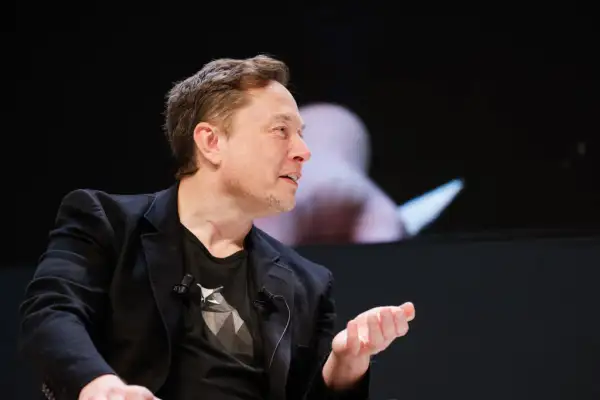
Elon Musk has made a name for himself by taking massive risks in industries that have high potential, such as electric vehicles, space exploration and artificial intelligence.
Tesla in particular demonstrated how much money investors could make if they joined him on the ride. As of February 2026, Tesla's stock is up roughly 85% over the last five years. Seeing eye-popping growth like Tesla's may tempt investors to go all in on a stock to generate high returns and secure their retirements. But large, concentrated investments are risky. Here’s why, and a better approach to reaching long-term financial goals.
Must Read
Why concentrated investments are risky
When you concentrate a large portion of your money into one asset, you don’t have much to fall back on if that investment plummets. A 20% loss with an asset that makes up more than half of your portfolio is much more harmful than a 20% loss of an asset that takes up just 5% of your portfolio.
As you near retirement, you don’t have as much time to wait for your asset to recover. You may be forced to sell at a loss.
Selling at a low can hurt even more if it happens during your early years of retirement. This is what's called sequence-of-returns risk. Big withdrawals during the first few years of retirement mean you will have less money compounding in the future. You may have to sell more shares to cover your living expenses, which will limit how much you can gain when (and if) the stock recovers.
Explore Remedy Meds: Medically supervised GLP-1 weight loss with unlimited clinician access
Signs your portfolio is too concentrated
This risk doesn’t just appear if you’re heavily invested in a single stock like Tesla. You can also fall into this trap if a large portion of your portfolio is allocated to a single type of asset or sector. Having 100% of your portfolio in stocks as you near retirement, or 50% of your portfolio in large tech companies, for instance, can be risky.
Check that your asset allocation aligns with your goals, risk tolerance and time horizon. And make sure that if a certain area of the market tanked, your portfolio is diversified enough that other areas of your portfolio may be able to hold steady or even outperform.
Need Cash? Check out Credible's personal loan options
How to lower concentration risk
If you already have a position that makes up a large percentage of your portfolio, you don’t have to sell it all at once. A gradual diversification approach involves selling some of your shares over time and putting them into other investments.
As you move forward, it’s important to continue rebalancing — a strategy that refers to selling assets when they balloon to more of your portfolio than your strategy calls for, and buying assets that your strategy calls for more exposure to.
Looking for a long-lost friend or family member? Check out BeenVerified and start researching
A less risky way to invest in stocks like Tesla
This doesn’t mean you can’t or shouldn’t buy shares of companies like Tesla. You can allocate some money toward a single investment, but it shouldn’t be such a large part of your portfolio that you’re tempted to check the stock’s price movements every hour.
Buying shares of diversified funds will reduce how much your portfolio relies on individual stock picks. Some advisors recommend that if you are going to invest in individual stocks, you limit your exposure to a certain amount, such as 5-10% of your portfolio.