
The Sneaky Social Security Scams Targeting Retirees in 2026 — And the One Rule That Keeps You Safe
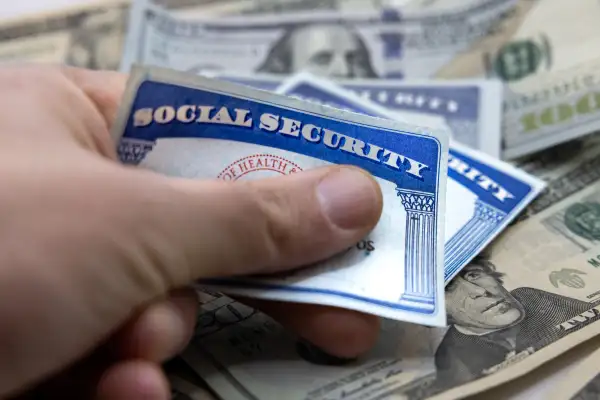
Social Security is a key part of many retirees’ financial plans. If that’s you, make sure you’re not overlooking a potential danger: scams.
Scammers will often go to great lengths to obtain sensitive information. If you’re not careful, the result can mean losing a significant amount of money. This guide will outline some of the most common Social Security scams and the one rule you can follow to stay safe.
Must Read
Social Security scams in 2026
The Social Security Administration (SSA) says that scammers will sometimes impersonate the SSA via a call, text, letter or message on social media. For phone calls, they can even spoof caller ID, which falsifies the phone number a recipient sees when checking who is calling them. Scammers also use official-looking logos on fake websites that may seem legitimate at first glance.
These criminals will typically pressure you to act in some way. For example, they may say your Social Security number was "suspended" due to criminal activity, and that you must pay immediately to restore benefits. They often use fear and urgency.
Vet bills can cost thousands — see what pet insurance might cost you
One rule to protect yourself
One rule you can follow to protect yourself is to understand how Social Security legitimately contacts people so that you can detect a scammer if they contact you.
"Social Security employees do contact the public by telephone for business purposes. Ordinarily, the agency calls people who have recently applied for a Social Security benefit, are already receiving payments and require an update to their record, or have requested a phone call from the agency," Social Security says on its website. "If there is a problem with a person's Social Security number or record, Social Security will typically mail a letter."
Social Security offers some resources to discern if a call or a letter is legitimate through its website. The SSA’s Office of Inspector General (OIG) also has a scam-alert page describing ongoing scams.
Still paying for subscriptions you don’t use? See what you could cancel
Some of these attacks have gotten more sophisticated. However, you can check web links and email addresses to verify if they are from the SSA. You can often discern fake websites by looking at the URL. If you get on a suspicious call, hang up immediately and do not call back phone numbers that the scammer provides; go straight to the SSA.
Keep in mind that the real SSA will never threaten you with legal action if you don’t immediately pay, say it needs money to activate a cost-of-living adjustment (COLA) or pressure you to share sensitive information. It also won’t message you via social media or demand that you keep the conversation a secret.
Having a strong password and multi-factor authentication will go a long way. You should also monitor your benefits and check your bank statements each month to ensure you are still receiving Social Security.
Grow your investing confidence with expert-selected stock picks
How to report a scam
You can report scams to the Social Security OIG via its website or by calling its fraud hotline at 1-800-269-0271. If the concern is identify theft — like if someone has used your information to open a new account — you can contact the Federal Trade Commission (FTC) via its identity theft reporting tool.
Notifying these agencies about scams makes it easier for them to educate others about common scams so they don’t become victims.