Bitcoin, Ethereum or Solana? How Beginners Decide

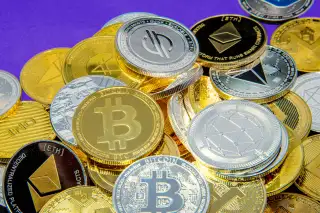
For crypto newcomers considering which digital asset to buy first, there are three names you'll likely hear: bitcoin, ether and solana, three of the top 10 cryptos by market cap. These coins and tokens are available on virtually every major exchange, making them accessible to investors of any level.
However, each of these coins has a unique design philosophy and is meant to be used for a specific purpose. Bitcoin accounts for more than half of the entire crypto market, functioning primarily as a store of value. Ether is the native cryptocurrency of ethereum, the leading blockchain for programming decentralized apps (dApps), decentralized finance (DeFi) and non-fungible tokens (NFTs) via smart contracts. And solana is designed for high-speed, low-cost transactions.
Those differences may complicate the decision of which crypto to invest in for first-time buyers. Read on for what you should know before investing in these digital assets.

CRYPTOCURRENCY AND OTHER DIGITAL ASSETS ARE NOT FDIC INSURED • ARE NOT BANK GUARANTEED • MAY LOSE VALUE
SoFi Crypto products and services are offered by SoFi Bank, N.A., a national bank regulated by the Office of the Comptroller of the Currency.
Bitcoin, ether and solana: How the cryptos differ
Bitcoin (BTC) is the oldest and most well-known of the three cryptos. Launched in 2009, it was designed to act as a digital currency that could function without a bank or government intermediary.
Over time, the dominant use case for the coin has shifted away from a way of transferring value to a way of storing it. Many people hold bitcoin the way they might hold gold: as a long-term asset they expect to retain or grow in value. The simplicity is part of its appeal.
Ethereum (ETH) launched in 2015 and its native token, ether, is the second largest cryptocurrency by market cap. It popularized the idea of a programmable blockchain where developers can embed code directly into assets. This allows the network to run smart contracts, a type of agreement that automatically executes when predetermined conditions are met, such as when a payment is completed or a shipment is delivered.
The smart contract system is key to ethereum’s versatility and has made it the bedrock for the broader crypto ecosystem, including Web3 apps and stablecoins. It’s more complex than bitcoin, and its price reflects more variables like competition from similar coins and supply shocks from crypto staking, but it's also a window into what blockchain technology can actually do.
Solana (SOL) features transaction speeds and fees that make it practical for high-volume applications. Since its launch in 2020, it has built a substantial ecosystem of its own, particularly around NFTs and consumer-facing apps. But its network has experienced notable outages and the coin has shown higher volatility than either of its older peers.
What to consider before choosing between cryptos
There are a couple of key questions you should ask yourself before buying any popular crypto.
What's your time horizon? If you're planning to hold onto your crypto for years rather than months, keep in mind bitcoin and ether's histories of recovery after major drawdowns. Solana has a shorter track record simply because there's less data to draw from. But remember, past performance doesn't guarantee future returns, and crypto has proven itself to be a very volatile asset.
How much volatility can you handle? BTC, ETH and SOL are all volatile by traditional investing standards. But they're not equally volatile. Bitcoin tends to be the most stable of the three. Ether is somewhat less so and solana is the most prone to dramatic swings in both directions. But if watching your balance drop double digits in a week would lead you to panic sell, you may want to reconsider crypto altogether.
Do you want to use crypto, or just hold it? If what you want is exposure to crypto as an asset class, bitcoin may be the right call. Some people do use it for payments when possible, but the coin is mainly held for its long-term gains. If the broader crypto ecosystem is what interests you, consider ether or solana instead, as they help fuel the interconnected network of digital assets via lending, borrowing, trading on decentralized exchanges and minting NFTs.
What makes sense for new crypto investors
Many new investors start with bitcoin since it's the most established cryptocurrency, making it easy to buy, sell and trade. It also has the simplest use case and its performance shows an upwards trend over time despite volatility.
Ether may be the natural second step. Once you've bought bitcoin and want to explore what the crypto ecosystem actually does, ethereum — and the token ether — can be a gateway to much of that activity. It's also where much of the development in the space is still concentrated.
Solana can make sense for buyers who understand what they're taking on: a younger network with higher potential, but also higher risk. It's not an obvious default for a first purchase, but it's a reasonable addition once you've thought through the trade-offs. After all, it’s still one of the biggest coins in the market by market cap.
Invest in crypto with confidence
CRYPTOCURRENCY AND OTHER DIGITAL ASSETS ARE NOT FDIC INSURED • ARE NOT BANK GUARANTEED • MAY LOSE VALUE
SoFi Crypto products and services are offered by SoFi Bank, N.A., a national bank regulated by the Office of the Comptroller of the Currency.

More from Money:
Best Crypto Wallets
Best Crypto Exchanges
The 5 Biggest Investing Mistakes Beginners Need to Avoid, According to Financial Advisors