Debit Card Fraud Is the Most Common Scam Banks Are Seeing — and a 60-Day Rule Can Leave Consumers Exposed

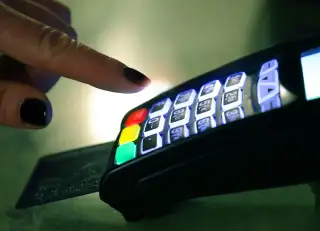
Being the victim of a scam can significantly hurt your finances, especially if it involves a debit card. But it’s also a common occurrence.
The Federal Reserve Financial Services’ fraud survey published in April found that debit card fraud was the type of payment fraud most reported by financial institutions, with 75% of institutions reporting attempts. They estimated it resulted in 40% of their total payment fraud losses, which is up 4% year over year. Here’s what you need to know to protect your money.
Must Read
What is the 60-day debit card fraud deadline?
Under federal consumer protection rules, you generally must report an unauthorized transaction that appears on your statement within 60 days of receiving the statement. If you don't, you could be liable for further transactions.
The 60-day countdown starts when the bank sends the statement, not when you first see the fraudulent transaction. If you rarely review your bank statements, you risk missing out on unauthorized transactions. However, the rules are a lot less generous if your debit card itself is stolen. Under that scenario, you only have two business days to report a lost or stolen card to have your responsibility for the unauthorized transfer capped at $50. If you report the card stolen after the two days but before 60 days are up, you could be liable for $500.
After that, you could be liable for additional unauthorized transactions, though many banks offer zero-liability protection nowadays.
How People Are Protecting Their Digital Identities Right Now
Why debit card fraud can sting more than credit card fraud
Credit and debit card holders may both face scammers, but it can be more challenging for debit card holders to protect their money. Credit cards offer a greater range of protections and also do not tap into your personal funds. If you report a fraudulent credit card transaction, you will typically be reimbursed faster than if you incurred that same fraudulent transaction on a debit card.
Losing money to a fraudulent debit card transaction also reduces your savings. That can affect someone’s ability to pay for rent, groceries and other essentials.
Credit card fraud does not affect your checking account’s balance, which means you can still keep up with essential expenses without risking overdraft fees.
How to protect yourself before and after fraud happens
Preventive measures are the best way to address fraudulent transactions. If you don’t incur one, you don’t have to go through the headache of contacting your bank and making sure you are properly replenished.
Reviewing bank statements each month lets you spot any fraudulent transactions early, and real-time debit card alerts for purchases and withdrawals let you respond even faster. You should immediately report any suspicious activity through your bank’s official app, website, or phone number. You should also file reports with the Federal Trade Commission (FTC) for scams or identity theft when appropriate.
If you see a fraudulent transaction, freeze or lock your card to ensure these transactions do not pile up. Checking your transactions can help, but you can avoid some red flags. Peer-to-peer payment apps and recurring debit card payments that you don’t monitor can also lead to fraudulent transactions if you aren’t careful.