Why Some Retirees Are Rethinking the Second Car

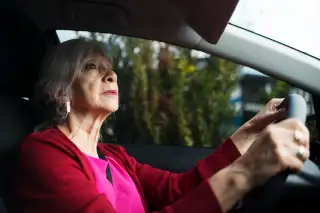
It’s fairly common to have more than one car at home. Nearly 37% of households in the U.S. have two cars, according to the most recent data available from the Census Bureau.
However, if you’re a retiree, you may be questioning whether it makes sense to have more than one car at home. You likely no longer have a commute to work, and you may be looking to save costs where you can. Giving up the second car can feel like shedding some independence, but keeping that same vehicle can drain your budget.
Must Read
The second car has gotten much harder to justify
Cars are expensive — and not just when you first purchase them. The average cost of owning and operating a vehicle was nearly $12,000 in 2025, assuming 15,000 miles per year, according to the Bureau of Transportation Statistics. That’s $1,000 a month.
Gas, insurance, maintenance and registration all add up. While transportation is often one of the largest parts of a person’s budget, the cost can sting even more if your car is sitting in the driveway.
Retirement changes how much people drive
It often makes sense to have two cars when you are raising a family. Different school pickup times, extracurricular activities and play dates will compete with differing work commutes. But once adult children leave the house and retirement hits, empty nesters may have a harder time justifying the second car.
Retirement can change other aspects of your driving, too. You may no longer drive to work, or you might move in retirement to a more walkable area. Delivery services, rideshare platforms and public transportation can also help limit how much you have to drive.
If you and your spouse both still have your cars, assess how often both vehicles are being used at the same time. If it’s rare, the occasional Uber trip for one spouse can result in significant savings, or planning ahead so you don’t need the car at the same time can pay off.
Where People Are Buying Gold Right Now
The tradeoff is independence vs. flexibility
For many people, cars represent freedom, privacy and safety. You have fewer options if you can’t drive a car, and even though rideshare apps like Uber and Lyft make vehicles more accessible, some people prefer driving themselves. Retirees may also feel uncomfortable depending on their families or relying on public transit.
However, the tradeoff for more financial flexibility may be worth it. Consider what you may be able to do with that extra $12,000 per year (and potentially more from selling the car): travel, dine out, invest in your hobbies and more. Health changes, worsening vision at night and fewer outings can also make selling the second car an appealing option. The National Highway Traffic Safety Administration (NHTSA) notes that driving behaviors and abilities can change as people age, so it may be riskier for some retirees to drive themselves as they get older.