
The Car-Buying Mistake Retirees Make When They Stop Commuting
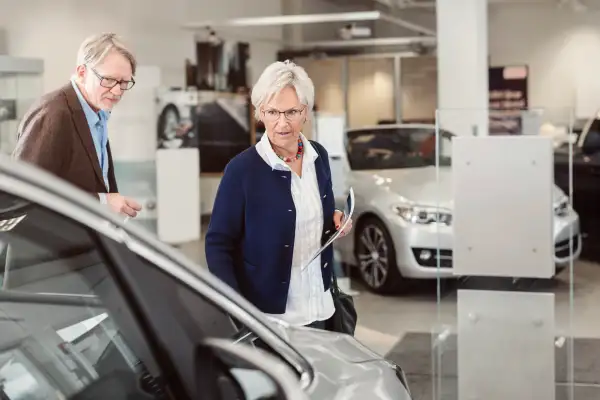
Retiring from work will likely change many aspects of your life, including your driving habits.
If your commute includes driving to and from work, it’s worth reconsidering how much time you’ll be spending in the car, and whether your old car-buying habits make sense for the next phase of your life. Federal Highway Administration data shows that drivers who are 65 or older drive fewer miles than younger age groups. Here’s what to consider if you’re eyeing a new car in retirement.
Must Read
Consider your new driving habits
Humans are creatures of habit, and that can sometimes lead us to make decisions based on past circumstances instead of the present reality. A new SUV as your second household vehicle may have made sense when both you and your spouse drove to full-time jobs — but that can change when one or both of you retire. Perhaps you’ll be doing more of your trips in the car together, and there won’t be many days when you and your partner need to use a car at the same time for a different destination.
When you do both need to get somewhere separately, ride-sharing apps or public transportation may do the trick, depending on where you live — and they can be significant money savers. You could do away with payments for insurance, registration, loan interest and maintenance costs.
Where People Are Buying Gold Right Now
Why cars gets expensive fast
Owning a second car in retirement can come at a high cost. The average cost to own and operate a new vehicle in 2024 was $12,297, or about $1,025 per month, according to a study from AAA.
That can take up a large chunk of your fixed income, and those are dollars that you cannot save or invest for other retirement goals, such as traveling. A car is a depreciating asset, so it’s not an investment in the same way the land your house sits on or stocks and bonds are. Those transportation costs also compete with healthcare, housing and everyday expenses.
How retirees should shop instead
Before you shop around for a new vehicle, assess your new driving habits. You should consider how many miles you drove last year, how often you drive at night and if you primarily run local errands or go on long road trips. You should also assess if you still need two cars or if a large vehicle is still necessary. You can also consider keeping your current car longer instead of swapping it out right away or downsizing to a single vehicle.
Driving can keep older adults mobile and independent, according to the Centers for Disease Control and Prevention (CDC). However, you don’t need a luxury car to achieve those objectives. A reliable, used car may do the trick, and those cars also have lower ownership costs and better prices. Trimming costs in this category without reducing the quality of your life can lead to significant savings and free up more space on your budget.
Keep in mind that the risk of injury while driving also increases for older adults. It’s important to consider that you may decide to drive less as you age.