
Education Department Delays Garnishing Pay From Student Loan Borrowers in Default

- College Students Can Now Use PayPal and Venmo to Pay for Tuition
- Trump’s New Student Loan Repayment Plans Are Live. Here's a Crash Course for Borrowers
- College Costs Were Flat for Many Years. Now They're Back on the Rise
- FAFSA Beta Test: Trump Admin Touts 'Earliest Testing Launch' in History
- Workers Are Losing Over $4 Billion in Unspent FSA Money a Year
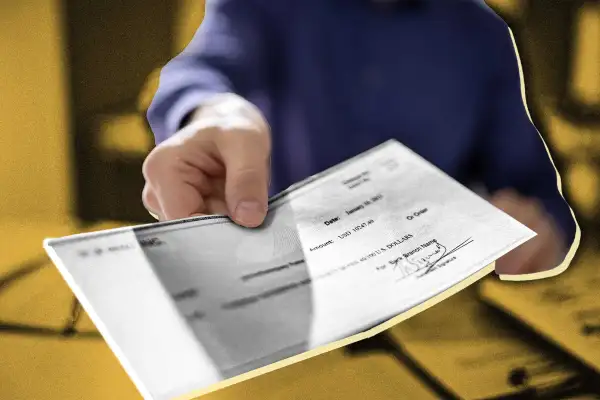
The Department of Education is delaying its plan to restart garnishing wages, federal benefits and tax refunds from struggling federal student loan borrowers in default.
The department announced its decision Friday, stating that the extra time will allow the agency and borrowers alike to prepare for upcoming reforms to the student loan repayment system as part of President Donald Trump’s One Big Beautiful Bill Act.
“The department determined that involuntary collection efforts … will function more efficiently and fairly after the Trump administration implements significant improvements to our broken student loan system,” Education Under Secretary Nicholas Kent said in the announcement.

The controversial debt collection practice has been halted since the early days of the pandemic. After nearly six years, the Trump administration initially said it would begin garnishing wages again this month but ultimately decided against it.
“There is a pause on that at the moment,” Education Secretary Linda McMahon told reporters Tuesday during a visit to Rhode Island. The Education Department formally announced the change on Friday but did not say how long the pause would continue.
The department did not respond to Money’s requests for more details.
Defaults at record high
Approximately 43 million Americans hold federal student loan debt. Of them, about 8.8 million — or 20% — haven’t made payments in at least 270 days, thus defaulting on their loans, according to advocacy group Protect Borrowers.
Protect Borrowers led a cadre of organizations calling on the Education Department to scrap its wage garnishment plans.
“The decision to resume wage garnishment against millions of borrowers amidst a growing affordability crisis crushing working families is calloused and unnecessary,” the groups wrote in a letter to McMahon dated Jan. 7.
According to Protect Borrowers, a federal student loan borrower has defaulted every nine seconds since Trump took office.
McMahon blames the surge of defaults on the Biden administration’s failed attempts at broad student loan forgiveness. As a result, she says, it sparked so much confusion that “people just stopped paying.”
“They didn’t know if their loan was going to be forgiven or how much was going to be forgiven,” she said last week in Rhode Island. “We had an incredible fall-off in people repaying.”
Missed student loan payments have become such a prevalent issue that they are causing the average credit score for all Americans to dip, according to FICO.
For borrowers, the financial effects of a defaulted student loan are devastating. The default appears on their credit reports, often tanking credit scores by 100 points or more. At the same time, the entire balance plus interest comes due, the borrower becomes ineligible for federal student aid, the loan servicer can sue the borrower and more.
At least for now, defaulted borrowers won’t have to worry about their pay being involuntarily garnished by the federal government.
Options for defaulted borrowers
Trump’s One Big Beautiful Bill Act made major changes to federal student loans, most of which go into effect in July.
Under the new law, defaulted borrowers will be allowed to rehabilitate a defaulted loan two times over the life of the loan. Previously, defaulted loans could be rehabilitated only once.
Loan rehabilitation is a long but crucial step that struggling borrowers can take toward getting their loan(s) out of default. In most cases, the process entails contacting the loan servicer to set up a nine-month repayment plan based on 10% to 15% of the borrower’s discretionary income.
After nine on-time payments, the loan is considered rehabilitated, the borrower’s federal benefits are reinstated, and the default will no longer appear on their credit reports (although the missed payment history will remain).
The only other way to bring a defaulted loan back into good standing is to consolidate it with another eligible federal student loan. However, this method won’t remove the default from the borrower’s credit report.
Once the loan is back in good standing, borrowers will have the ability to join the forthcoming Repayment Assistance Plan in July. Under this new plan, monthly payments will be capped at between 1% and 10% of the borrower’s adjusted gross income. After 30 years of on-time payments, remaining balances are forgiven.
The Education Department is encouraging borrowers to understand their options for delinquent and defaulted loans before the changes roll out this summer.
Compare Student Loan companies to find the right fit




More from Money:
Best Private Student Loans of January 2026
Is Your Graduate Degree 'Professional'? The Answer Will Determine How Much You Can Borrow
New Federal Lending Rules Could Push Many Master's Degree Borrowers Into Private Student Debt