Hot Wallets vs. Cold Storage: What Beginners Need to Know to Keep Their Crypto Safe


- 3 Smart Moves for Investors After the Fed's Interest Rate Cut
- How to Buy Stocks
- Nasdaq Is Reducing the Influence of Giant Tech Firms in a Popular Stock Market Index
- Good News for Investors: Bull Markets Usually Last Way Longer Than Bears
- Forget FAANG, Meet the 'Magnificent Seven' Stocks Surging in 2023
Money is not a client of any investment adviser featured on this page. The information provided on this page is for educational purposes only and is not intended as investment advice. Money does not offer advisory services.


CRYPTOCURRENCY AND OTHER DIGITAL ASSETS ARE NOT FDIC INSURED • ARE NOT BANK GUARANTEED • MAY LOSE VALUE
SoFi Crypto products and services are offered by SoFi Bank, N.A., a national bank regulated by the Office of the Comptroller of the Currency.
When you buy cryptocurrency for the first time, it’s easy to assume your coins will sit safely in an account the same way your cash does in a bank's checking or savings account. But that assumption can cost you.
In 2022, for instance, billions of customers' dollars vanished overnight when crypto exchange FTX collapsed. The lesson isn't that crypto is inherently unsafe, but that where you store it matters as much as what you own.

CRYPTOCURRENCY AND OTHER DIGITAL ASSETS ARE NOT FDIC INSURED • ARE NOT BANK GUARANTEED • MAY LOSE VALUE
SoFi Crypto products and services are offered by SoFi Bank, N.A., a national bank regulated by the Office of the Comptroller of the Currency.
How crypto wallets work
Crypto wallets are the primary way of storing digital assets outside of exchanges, and they come in two varieties: hot and cold. But before comparing them, it’s important to understand that neither actually stores your coins the way a bank account holds your dollars.
Your crypto lives on the blockchain, a digital ledger that records transactions across a network of computers. Crypto wallets store a unique cryptographic string called a private key that proves ownership and authorizes those transactions.
Think of it this way: Your public key is like your account number, something you can freely share so others can send you funds. Meanwhile, your private key is like your PIN — whoever controls it controls the crypto. The type of wallet you use determines how and where that private key is stored, which is ultimately what determines how securely your assets are held.
Hot wallets: easy to use, and easier to target
A hot wallet is any software — such as a mobile app, desktop program or browser extension — that stores your private key on an internet-connected device. Popular examples include MetaMask, Phantom and Zengo.
Hot wallets are typically free (excluding trading fees), fast to set up and designed for active use, making them practical for trading or interacting with decentralized apps. So if you're moving crypto frequently, a hot wallet is the most frictionless option.
The trade-off for that practicality is exposure. Because hot wallets are always connected to the internet, they're more vulnerable to cyberthreats like malware and browser exploits than cold wallets. A well-crafted fake website or a malicious browser extension can drain a hot wallet of its funds in seconds.
It's also essential to know the difference between custodial and non-custodial hot wallets.
When you hold crypto on an exchange like Coinbase or SoFi, you're using the former. With a custodial wallet, the exchange holds your private key on your behalf, which is often more convenient than putting your crypto in a non-custodial wallet. But it means you're trusting a third party with your funds, which can come with added risk.
Cold storage: safer, but at a cost
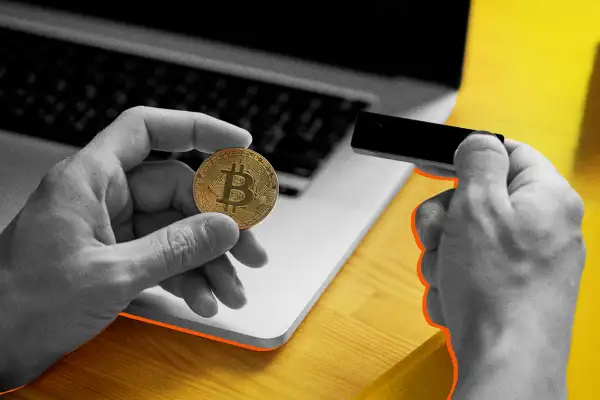
The most common form of cold storage are hardware wallets, which are small physical devices that store your keys offline and authenticate transactions. Well-known brands include Coldcard, Ledger and Trezor.
Cold wallets are lauded as the most secure way to hold your crypto because hacking them remotely is essentially impossible. To crack them, a criminal would first need physical access to your wallet and then, assuming it's a hardware device, figure out your PIN-number.
This is why hardware wallets are the closest thing to a standard best practice for anyone holding meaningful amounts of crypto long-term. However, these devices also have their fair share of drawbacks.
For starters, hardware wallets have a learning curve, and the setup process can be complicated, especially for beginners. They also come with a price tag. Expect to spend between $50 and $400 on one of these devices depending on its size and physical components.
Most importantly, hardware wallets can be lost, stolen or damaged. This is why every hardware wallet comes with a sequence of 12 to 24 words known as a seed phrase that can restore your wallet on any compatible device.
Writing this phrase down and storing it somewhere secure is as important as safeguarding the device itself. If you lose the latter, you can still restore your wallet on a new hardware device before anyone finds it and takes your funds. But if you lose your phrase, you might never see your crypto again.
How to decide which wallet is right for you
The choice between a hot and cold wallet should come down to how much crypto you're holding and what you're doing with it.
If you're still learning the basics of crypto and your holdings are modest, a hot wallet (preferably non-custodial) is a reasonable starting point. It gives you real ownership of your keys without the hardware wallet setup process. As your holdings grow to a level you'd worry about losing, a hardware wallet can become a worthwhile investment.
One useful way of looking at hot and cold wallets is to compare them to checking and savings accounts. A hot wallet is your checking account: accessible, convenient and fine for the amounts you're actively using. Meanwhile, cold storage is your savings account, which is appropriate for money you're not moving anytime soon.
A common rule of thumb is that if you wouldn't feel comfortable carrying that dollar amount in cash in your back pocket, it probably shouldn't be sitting in a hot wallet. For most beginners, that threshold might be somewhere in the low hundreds.
Ultimately, the right storage setup isn't fixed. It should evolve as your holdings and comfort level grow, adjusting to how much crypto you hold, how often you trade it and how comfortable you are managing your own security.
Explore crypto with SoFi®

CRYPTOCURRENCY AND OTHER DIGITAL ASSETS ARE NOT FDIC INSURED • ARE NOT BANK GUARANTEED • MAY LOSE VALUE
SoFi Crypto products and services are offered by SoFi Bank, N.A., a national bank regulated by the Office of the Comptroller of the Currency.