
7 Best Home Warranty Companies of March 2026


- Should You Freeze Your Credit After Identity Theft?
- How To Get a Higher Credit Limit: A Step-By-Step Guide
- How Identity Theft Can Hurt Your Credit Score — And What You Can Do About It
- The Recent Grad’s Guide to Building Credit
- The Recent Graduate’s Guide to Reading a Credit Report — and What to Watch Out For



🔥 SALE: $150 OFF + 2 Months Free
🔥 SALE: $150 OFF + 2 Months Free
- A+ Rating from the Online Business Bureau
- Appliance-only, systems-only, or combination plans available
- Covers single-family, multi-unit, and rental properties
- Multi-year discount available
- No home inspection required
- Free online quote
- File claims online or by phone

Limited Time Offer: $150 OFF All Plans*
Limited Time Offer: $150 OFF All Plans*
- Home Warranty Plans Starting at $29.99 a Mo.
- Covering 2 Million Plus Members for 50+ Years
- No Age Limits on Covered Systems & Appliances
- No Inspections or Records Required

24/7 support whenever your appliances fail
24/7 support whenever your appliances fail
- Large network of independent prescreened contractors and qualified technicians
- In business for over 30 years
- Good coverage on home systems
- Does not cover pre-existing issues
- They will replace items that fail if they can't be fixed regardless of age, make or model

- Coverage for old homes
- No age restrictions for appliances
- Policy effective after closing
- No claim limits
- Covers listings, closing, single family, multi-family and condo/ townhomes

National Home Warranty Day Special Offer: 50% OFF + 2 FREE months & FREE Roof coverage
- Fastest Claim Dispatch in the Industry
- Pre-Screened and Licensed Local Technicians
- 2023 Best-in-Service Award
- Multi-year discount available
- Seniors & Veterans Discounts Available
- 24/7 claims + U.S based dedicated account manager

Key Takeaways
- Editor's take: The best companies offer prices ranging from $19 to $95 per month, and service call fees between $60 and $150.
- Methodology: We vetted over 20 companies based on four key factors: transparency in services offered, claims processing, cost and quality of customer service.
- Last Updated: March 2, 2026
How we chose our top picks
We first began reviewing home warranty companies in 2020. Since then, we’ve spent over 1,000 hours researching the top providers in the country and thoroughly vetting 22 companies. Our methodology focuses on four key factors: transparency in services offered, claims processing, cost and quality of customer service.
Read the full methodology for more information.
Our Top Picks for Best Home Warranty Companies
The companies listed below are in alphabetical order.
- 2-10 Home Buyers Warranty: Best Enhanced Coverage
- AFC Home Warranty: Best Premiums
- American Home Shield: Best for HVAC
- Cinch Home Services: Best Systems Plan
- First American Home Warranty: Best Starter Plan
- Liberty Home Guard: Best for Optional Add-Ons
- Select Home Warranty: Best for Roof Coverage
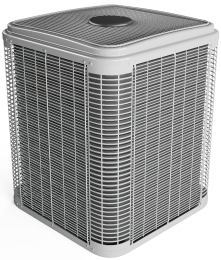


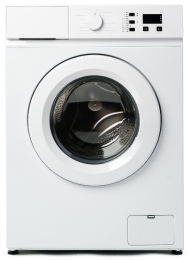





Best Enhanced Coverage: 2-10 Home Buyers Warranty

- Offers up to 65% off in Whirlpool and GE brand appliances
- Color match for replaced appliances
- $5 monthly discount with auto-renewal
- No coverage for garage doors or roof leaks (both are available as add-ons)
- Not available in Hawaii and Alaska
- Monthly Premiums
- Starting at $32
- Available Plans
- 3
- Service Fees
- $65, $85, $100
- State Availability
- Nationwide, except AK and HI
- Response Time
- 48 hours
- BBB Rating
- A+
Why we chose this company: 2-10 Home Buyers Warranty’s premium plan covers a wide range of items most home warranty companies don’t, such as turntable platforms, rotisseries, ceramic cooktops and concrete-encased plumbing.
2-10 HBW offers three plans: Simply Kitchen, Complete Home and Pinnacle Home plan. All three plans come with the 2-10 HBW’s Appliance Discounts Program, offering discounts up to 65% on Whirlpool and GE brands. The company will also match your appliance color during replacements and offer a $100 reimbursement if you choose to replace a broken appliance rather than request service.
In addition, 2-10 HBW's Service Fee Guarantee includes a service fee refund if your request is ineligible for service. You also won't pay another service fee if the same component fails after receiving service.
Read the full 2-10 Home Buyers Warranty review.
Best Premiums: AFC Home Warranty

- Array of additional benefits, from discounts to credit monitoring
- Clients can choose their own technicians
- Platinum Plan covers microwave ovens, ice makers and plumbing stoppages
- One-day period for reporting issues with a system or appliance
- $75 plan cancellation fee
- System plan unavailable in some areas
- Monthly Premiums
- $43.67-$99.08
- Available Plans
- 4
- Service Fees
- $75, $100, $125
- State Availability
- Nationwide, except HI, CA and WA
- Response Time
- 48 hours
- BBB Rating
- B
Why we chose this company: AFC Home Warranty offers your choice of service contractors and affordable premiums, including two hybrid plans (that cover both systems and appliances).
AFC Home Warranty (America’s First Choice) first caught our attention for its affordable premiums. AFC’s plans include a systems plan, an appliances plan and two hybrid plans covering both systems and appliances. In addition, AFC Home Warranty has one of the strongest service guarantees in the industry: both parts and labor are guaranteed for the life of the contract.
As with other home warranty companies, AFC pricing depends on the service fee selected ($75, $100, or $125). Monthly premiums for one-year contracts range from $40 for the Silver Plan up to $112 for the most comprehensive plan (depending on your location).
Read the full AFC Home Warranty review.
Best for HVAC: American Home Shield

- Largest home warranty service provider in the country
- Offers coverage for home electronics
- Highly customizable service plans
- Repairs are only guaranteed for 30 days
- Plans unavailable in Alaska, Hawaii and New York City
- Monthly Premiums
- $30 - $90
- Available Plans
- 3
- Service Fees
- $100, $125
- State Availability
- Nationwide, except Hawaii, Alaska and New York City
- Response Time
- 48 hours
- BBB Rating
- B
Why we chose this company: American Home Shield offers free HVAC tune-ups with its premium plan and fewer coverage restrictions than most competitors.
With American Home Shield, choose from three comprehensive plans and customize them with add-ons for other systems and appliances, including home electronics and entertainment products.
Together, AHS’ comprehensive plans — ShieldSilver, ShieldGold and ShieldPlatinum — cover more than 23 home appliances and systems. In addition, its premium plan, ShieldPlatinum, covers up to $1,500 for roof leak repair, HVAC tune-ups, code violations and AC refrigerant.
Read the full American Home Shield review.
Best Systems Plan: Cinch Home Services

- Available in 48 states
- 180-day workmanship guarantee
- Plans include rust and corrosion coverage
- Covers unknown pre-existing conditions
- Higher deductibles than some competitors, from $100 to $150
- Additional coverage options only available while getting a quote
- Monthly Premiums
- $30.99 - $93.99
- Available Plans
- 3
- Service Fees
- $100, $125, $150
- State Availability
- 48 states, not available in AK, HI
- Response Time
- 48 hours
- BBB Rating
- A+
Why we chose this company: Cinch Home Services’ system plan includes coverage that other home warranty companies usually offer as an add-on.
Cinch plans stand out for coverage of items other companies typically charge extra for, such as sump pumps, water dispensers and smoke detectors. Cinch’s appliance plan covers freestanding ice makers and built-in food centers, while its system plan covers sump pumps, doorbells, smoke detectors and tankless water heaters.
Cinch services are backed by a 180-day workmanship guarantee on the work performed. This is considerably longer than the 30- and 90-day guarantees most companies offer (except for AFC Home Club, which offers a service guarantee for the life of the contract).
Read the full Cinch Home Warranty review.
Best Starter Plan: First American Home Warranty

- Affordable basic plan options with competitive coverage
- Essential and Premium plans cover improper installations and code violations
- Premium plan covers all costs related to refrigerant recharging
- No systems-only plan
- Limited list of add-ons
- Not available in AK, CT, DE, HI, IL, LA, ME, MI, MN, NH, NY, ND, RI, VI, WI
- Monthly Premiums
- $51.24 - $86.03
- Available Plans
- 3
- Service Fees
- $75, $100, $125
- State Availability
- 35 states
- Response Time
- 48 hours
- BBB Rating
- B+
Why we chose this company: First American Home Warranty’s starter plan offers comprehensive basic coverage for major appliances and systems, at a competitive price.
With First American’s Starter Plan, you get extensive coverage for nine costly-to-repair appliances and systems starting at $42 a month. Customers can choose the Essential or Premium Plans for more coverage.
All plans cover damages caused by lack of maintenance, rust, corrosion and chemical or sedimentary build-up, which may be vital if you’re buying an older home. They also feature limited roof leak coverage, which includes leaks caused by normal wear and tear for tar and gravel, tile, shingle or composition roofs.
Read the full First American Home Warranty review.
Best for Optional Add-Ons: Liberty Home Guard

- Over 20 items of additional coverage options
- 60-day workmanship guarantee on repairs
- Overwhelmingly positive BBB reviews
- Relatively low payout limits
- Monthly Premiums
- $50 - $70
- Available Plans
- 3
- Service Fees
- $75 - $125
- State Availability
- 50 states
- Response Time
- 48 hours
- BBB Rating
- Not rated
Why we chose this company: Liberty Home Guard has the most extensive list of add-ons in the market, including rarely covered items such as gutter cleaning.
Liberty Home Guard stands out for its list of possible add-ons. Customers can choose from over 40 items to add to their coverage — one of the most extensive lists of add-ons in the home warranty market.
The list includes items other home warranty companies cover — pools, spas, well pumps, sump pumps, central vacuums — and other, rarely covered items such as limited roof leaks, lock replacement, gutter cleaning, pest control and electronics protection.
Its per-claim service fee ranges from $75 to $`125, with a payout limit of $2,000 per covered item.
Read the full Liberty Home Guard review.
Best for Roof Coverage: Select Home Warranty

- Covers roof leaks
- 90-day repair guarantee
- Discounts for multi-year plans
- Unavailable in IA, NV, WA, and WI
- Low coverage caps for many home services
- Monthly Premiums
- $37 - $65
- Available Plans
- 3
- Service Fees
- $75
- State Availability
- 46 states
- Response Time
- 24 hours on average
- BBB Rating
- Not rated
Why we chose this company: Select Home Warranty plans include roof leak coverage and multiple discount promotions throughout the year.
Select Home Warranty offers notable discounts, including 2 months of free service when you pay for a full year upfront and special discounts when you sign up for more than a year. The company also has occasional promotions that knock off between $100 and $200 for new sign-ups.
Select has three plans: Bronze Care, Gold Care and Platinum Care, which cost between $42 and $55 per month. Bronze Care covers appliances, while Gold Care focuses on systems. The most expensive plan, Platinum Care, combines both for more comprehensive coverage. The service fee is set at $75. In addition, all three plans cover roof leak repairs.
Read the full Select Home Warranty review.
Multi-Year Discount Available
🔥 SALE: $150 OFF + 2 Months Free
- Members Can Save Up to 50% at Nike, Costco, Home Depot & 1000’s more
- Online Business Bureau Accredited with A+ Rating
- Covers Major Home Systems, HVAC & Appliances
- Free Roof Coverage, No Inspection Needed
Industry Leader Since 1971
Limited Time Offer: Up to 50% Off Select Plans!*
- Home Warranty Plans Starting at $29.99 a Mo.
- Covering 2 Million Plus Members for 50+ Years
- No Age Limits on Covered Systems & Appliances
- No Inspections or Records Required
24/7 Support Whenever Your Appliances Fail

24/7 support whenever your appliances fail
- Large network of independent prescreened contractors and qualified technicians
- In business for over 30 years
- Good coverage on home systems
- Does not cover pre-existing issues
- They will replace items that fail if they can't be fixed regardless of age, make or model
Fastest Claim Dispatch in the Industry

National Home Warranty Day Special Offer: 50% OFF + 2 FREE months & FREE Roof coverage
- Fastest Claim Dispatch in the Industry
- Pre-Screened and Licensed Local Technicians
- 2023 Best-in-Service Award
- Multi-year discount available
- Seniors & Veterans Discounts Available
- 24/7 claims + U.S based dedicated account manager
- Coverage for old homes
- No age restrictions for appliances
- Policy effective after closing
- No claim limits
- Covers listings, closing, single family, multi-family and condo/ townhomes
What You Need to Know About Home Warranty Companies
This guide covers home warranty basics and the types of coverage plans available. It also includes important factors to keep in mind as you’re choosing a plan.
What does a home warranty cover?
A home warranty is a service contract that helps you pay for repairs if and when major household systems or appliances break down.
Unlike homeowners' insurance, which covers damage from natural disasters, theft, or accidents, home warranties help pay for repairs or replacements of home systems or appliances when specific parts and components fail due to normal wear and tear.
Once a home warranty contract is in effect, you can contact your company and request a service for a covered system or appliance malfunction. If the malfunction is listed in your policy, the company will send a qualified contractor in your area to diagnose and repair the problem. Depending on the situation, some providers may opt to replace your item instead, up to the amount covered under your contract.
Is a home warranty worth it?
The following list can help you determine whether purchasing a home warranty is worth it:
Yes, a home warranty is worth it if: | A home warranty might not be worth it if: |
|---|---|
You're purchasing a previously built home, since systems may be approaching the end of their lifespan (usually 5-10 years) | You're purchasing a newly built home. New construction usually comes with a warranty from the builder for systems for up to 10 years |
The appliances in your house are currently working, but weren't purchased recently | Your appliances are new — new appliances usually come with a manufacturer's warranty, and some credit cards also offer extended warranties |
You don't know mechanics or contractors in your area, or don't have good DIY skills | You have established relationships with contractors or maintenance people, or are good at DIY-ing repairs |
How much does a home warranty cost?
A home warranty costs between $300 and $700 annually, or between $30 and $80 a month, depending on the plan you choose. Typically, systems-and-appliances-only plans cost less than all-inclusive plans.
Before receiving the service, you're typically required to pay a service fee or a deductible of $50 to $150. The exact amount is decided when you choose a policy and should be listed in your contract.
The most cost-effective plans strike a balance between price, types of items covered, service fee and payout limits.
Factors that influence home warranty costs
Several factors can affect the cost of your policy, including:
- Coverage: The more extensive the coverage, the higher the cost. Systems or appliance-only plans generally cost less than comprehensive plans that cover both major systems and appliances. Optional coverage can also increase your premium.
- Service call fee: A lower service call fee, or deductible, generally implies higher monthly payments, whereas plans with higher fees cost less per month.
- Home size: Some home warranty companies consider the type of property and size of your home — that is, the square footage or number of rooms — in their pricing. Larger homes or homes with unique features generally require more extensive (or customized) coverage, which leads to higher premiums.
- Location: Premium costs can vary depending on where you live, mainly due to differences in the cost of living. Companies may also factor in particular environmental conditions that affect the typical wear and tear of home systems in your region.
Home warranty vs. home insurance
Home warranty | Home insurance |
|---|---|
A home warranty covers the cost of repairing or replacing systems and appliances after breakdowns, malfunctions and normal wear and tear. | Homeowners insurance covers expenses if your house or personal property are damaged by perils like fires and theft. |
A home warranty is optional and is generally paid annually or monthly. | Homeowners insurance is required by lenders as part of the mortgage process and is paid annually. |
A home warranty can supplement your homeowners insurance policy and help you find a qualified service contractor in your area to perform repairs and installations. | Home insurance may provide liability coverage for accidents that occur in the property. |
Understanding home warranty contracts
Before signing up with a particular provider, take the time to understand the contract. Here are three main points to review:
- Check what items are covered: Although most home warranty companies cover similar items, there can be significant variations in their plans. It’s important you read the fine print and confirm that the company provides coverage for the items you want to protect.
- Understand coverage caps: Companies generally list coverage caps for particular systems and appliances. These caps are the maximum amount the company will pay to repair or replace a covered item per contract term.
- Find what isn't covered: Keep an eye out for components or events that aren't covered. Most providers list specific limitations and exclusions on their contracts. For instance, some companies may cover roof repairs but exclude metal roofs and roof-mounted installations from their coverage.
We also recommend checking whether a company is a member of a national trade association, such as the Service Contract Industry Council (SCIC) or the National Home Service Contract Association (NHSCA). These associations support oversight and regulation within the industry, ensuring members remain compliant and up to date with best practices.
Questions to ask your home warranty provider
Be sure to ask the provider any questions that come up while reviewing the contract. Here are some good ones to start with:
- What is the service fee (or deductible)?
- Is there a waiting period before coverage begins?
- Can I customize my coverage after purchase?
- Do you cover pre-existing conditions?
- Can I choose my own service contractor or technician to perform repairs?
- What is the policy on replacements versus repairs?
- Is there a limit on how many times I can request a service?
- Are there any cancellation fees or penalties?
- What are the coverage caps or maximum payouts per item or contract term?
How to file a home warranty claim
The process of filing a home warranty claim can vary from company to company. However, it typically starts with a service request, followed by an appointment with a service technician if the request is approved. Read our step-by-step guide on how to file a home warranty claim for more details.
What to do if your home warranty claim is denied
A denied claim can be frustrating, but before you decide to pay for repairs out of pocket, take the time to understand the reasons for the denial. Here are some steps you can take:
1. Review the denial letter: Your home warranty company should send you a written notification with the reasons for the denial. Identify them and review your contract to confirm whether your claim is indeed covered or not. If you have enough information to believe that your claim should be covered, consider making an appeal.
2. Gather documentation: Home maintenance records, photos and pre-inspection documentation may be helpful to address your denial. You may also request a copy of the company’s inspection report. This way, you know the specifics of the diagnosis and can seek a second opinion from an independent contractor.
3. File an appeal: Once you collect all the relevant documentation, reach out to the company and discuss the denial. Ask for clarification on the reasons behind the decision and on the process for filing an appeal or a new claim. During this process, keep a record of all communications with the company, including names, dates and details of the conversations.
If your efforts to resolve the issue with the company are unsuccessful and your denial appears to violate the terms of your contract, consider filing a complaint with a consumer protection office in your state or with consumer organizations like the Better Business Bureau.
What can void a home warranty?
Each provider has its own rules regarding factors that could void your policy for a specific system or appliance. In some instances, a claim may be denied for the following reasons:
- Unauthorized repairs or modifications, whether by using an unapproved contractor (licensed or not) or attempting to do the repairs yourself
- Improper maintenance or installation
- Home improvement projects
- Pre-existing issues
- Failing to keep your home up to building codes
- Misplacing ownership documentation
The “proper maintenance” gray area
Sometimes home warranty coverage is contingent on the “proper maintenance” of systems and appliances. This means repairs won’t be covered if the malfunction was caused by a failure to follow the manufacturer’s maintenance specifications. However, companies often don’t provide clear guidelines as to what constitutes proper routine maintenance.
Some contracts give concrete examples, such as:
- Changing filters
- Flushing the water heater
- Sanitizing your water filter
- Keeping proper refrigerant levels
- Cleaning coils
However, coverage will ultimately depend on whether the service technicians determine that proper maintenance was performed.
TIP: If you buy a home warranty, take pictures and document the routine maintenance of the appliances.
How do I cancel my home warranty?
The cancellation process can vary from one company to another; however, there are some general steps you can follow:
- Review your contract: Check your contract's cancellation policy and any fees that may apply. Most companies charge a cancellation fee that can range from $25 to $75 — or 10% of the fees you have yet to pay. This means you may receive a prorated refund. However, companies typically provide a full refund if you cancel within the first 30 days of purchase.
- Contact the home warranty company: Call or email your provider directly and let them know you intend to cancel your policy. A company representative may be able to guide you through the specifics. In some cases, you may need to send a written notice of termination, which you should send via registered post or courier, if possible, to facilitate tracking.
- Cancel your payment: If your payments are automatically charged to a credit card or bank account, make sure to cancel the automated payment with the corresponding institution.
- Follow up: It may be a good idea to request a written confirmation of the cancellation directly from the company.
Keep in mind that even though most home warranty contracts are valid for one year, your plan may auto-renew if you enroll in automated payments. If that’s your case, make sure to cancel the plan and automatic payment at least two weeks before the renewal date.
Methodology
We carefully analyzed sample contracts from our top contenders and evaluated them on criteria such as contract terms, types of malfunctions or failures covered, payout limits, cost-efficiency and service fees. We also analyzed and compared the companies based on the following factors:
- Services offered. We compared companies’ offerings and coverage caps to identify those that offered the best value and covered the most systems and appliances.
- Claims processing. We preferred companies that offered multiple ways to file a claim and quick response times. Each company we selected has typical response times of 48 hours or less and offers different channels for submitting a claim, such as over the phone or online.
- Cost. We contacted companies to obtain quotes whenever prices weren’t openly disclosed on their websites, using New York and California addresses.
- Availability: We focused on companies offering nationwide services or that were available in at least 30 states.
- Legal actions: To assess their reputation and good standing, we evaluated whether the companies on our list have pending or recent regulatory or legal actions.
- Customer service. We checked every company’s standing with the Better Business Bureau (BBB), including their accreditation (or lack thereof), rating and reviews. In our list, we included only companies that were registered with the BBB and had a rating of B or higher.
Note that BBB ratings consider factors such as the number of complaints, time in business, transparent business practices, licensing, and any government actions against a business to determine how a particular business is “likely to interact with its customers.” A business can receive a rating from A+ to F.
Latest News in Home Warranties
According to This Old House's 2025 Home Warranty Survey, 54% of homeowners bought a home warranty plan to protect older homes and select appliances and systems. 28% own a plan simply because it was included in the home purchase and 17% bought a home warranty after they had to pay out-of-pocket for a costly repair or replacement.
A surprising majority (85%) of homeowners who filed a warranty claim report being satisfied with how their provider handled it. However, the survey found that claims denials often occurred due to misunderstandings of coverage. 75% of denied claims were because of excluded items, preexisting conditions and maintenance issues. These exclusions are typically outlined in most contracts, yet consumers still overlook the fine print when reviewing the documentation.
That said, most survey respondents appeared satisfied with the service. Out of 2,000 respondents, 68% plan to renew their contracts, 22% are undecided and just 10% won't renew.
Best Home Warranty Companies FAQs
How long do home warranties last?
How soon can you use a home warranty after purchase?
Do I need a home warranty if I have homeowners insurance?
While not required, a home warranty can work in tandem with your homeowners insurance, since they cover distinct aspects of homeownership.
Homeowners insurance primarily covers structural damage caused by perils such as natural disasters, fire, theft or vandalism, whereas a home warranty covers the repair or replacement of your home’s major systems and appliances due to normal wear and tear.Do home warranties protect brand-new systems and appliances?
Can you transfer a home warranty when selling a house?
Summary of Money’s Best Home Warranty Companies of March 2026
The companies listed below are in alphabetical order.
- 2-10 Home Buyers Warranty: Best Enhanced Coverage
- AFC Home Warranty: Best Premiums
- American Home Shield: Best for HVAC
- Cinch Home Services: Best Systems Plan
- First American Home Warranty: Best Starter Plan
- Liberty Home Guard: Best for Optional Add-Ons
- Select Home Warranty: Best for Roof Coverage