Still Shopping for Halloween Treats? Don't Be Tricked by Scam Sites That Don't Deliver the Goods

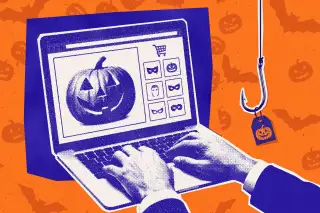
Still looking for a costume? As Halloween weekend kicks off, shoppers who waited too long to buy costumes and decorations may be rushing to secure last-minute deals. But that purchase could end up costing more than you bargained for.
The Better Business Bureau (BBB) recently warned consumers about potential problems with seasonal pop-up shops, which often open in the weeks leading up to Halloween and disappear shortly afterward. While some are legitimate businesses, others sell poor-quality or damaged merchandise, leaving you with little recourse if you discover issues after the store has closed.
Online scams are still going strong, too. Even though the traditional shipping window has closed, scammers continue to exploit the urgency of the holiday, with some online advertisements promising fast local delivery without providing clear information about the seller.
New research from cybersecurity company Bitdefender shows that scammers have been promoting suspicious online stores and fraudulent Halloween deals through emails, text messages and social media advertisements. Between September 1 and October 22, Bitdefender researchers identified multiple Halloween-themed scam campaigns, including some targeting consumers in the U.S.
Some emails advertised realistic-looking Halloween masks with 30% discount codes, while social media ads promoted steeply discounted costumes, decorations and other seasonal merchandise. The websites often featured promotional offers designed to pressure shoppers into making quick purchases.
Nicole Sanchez, a financial health executive at Chase, says fraudulent stores can be difficult to distinguish from genuine retailers when shopping in a hurry. "They look legitimate, but they're offering some type of steep discount, and the products may not be as advertised, or they never arrive at all."
The Federal Trade Commission (FTC) has previously warned about scammers impersonating popular retailers like Spirit Halloween and Party City. Fraudulent advertisements on Facebook and Instagram have promoted clearance sales offering discounts of up to 90%, only for shoppers to receive counterfeit or damaged merchandise, entirely different products or nothing at all.
How to avoid Halloween shopping scams
Sanchez knows how tempting last-minute Halloween shopping can be. She recalls scrambling to find a replacement costume for one of her kids after discovering that the original didn't fit. They managed to find one last copy in the right size.
Although she was shopping through an established retailer, the experience brought up the question of how easy it can be for a scammer to trick a consumer when facing limited inventory and looming deadlines. "What we recommend is even taking 10 minutes to slow down," says Sanchez, encouraging shoppers to verify offers through a retailer's official website or app before making a purchase.
Before purchasing costumes or decorations from an unfamiliar website, research the retailer thoroughly. The BBB recommends searching for the company's name alongside terms like "scam" or "complaint" and checking for legitimate contact information and a clear refund policy.
Be suspicious of unusually large discounts, countdown timers and promises of guaranteed last-minute delivery. Scammers often use these tactics to create urgency and discourage you from investigating an offer.
If you encounter a promotion on social media, visit the retailer's official website independently instead of clicking the advertisement. Check the website address carefully, since fraudulent stores may use URLs resembling those of legitimate businesses.
When making online purchases, use a credit card whenever possible. Credit cards generally offer stronger protections when purchases turn out to be fraudulent. Sanchez also cautions against using payment services like Zelle to buy merchandise from unfamiliar sellers.
If you've already bought something from a suspicious website, contact your credit card issuer immediately to dispute the charge and ask about protecting your account. You can also report the incident to the FTC at ReportFraud.ftc.gov or the BBB's Scam Tracker.