
Can't Make the Tax Deadline? Here's How to File for an Extension or Set up an IRS Payment Plan


Tax Day is nearly here. Wednesday's federal income tax deadline is approaching quickly, but if you're not ready to file, don't panic — there are easy ways to get more time.
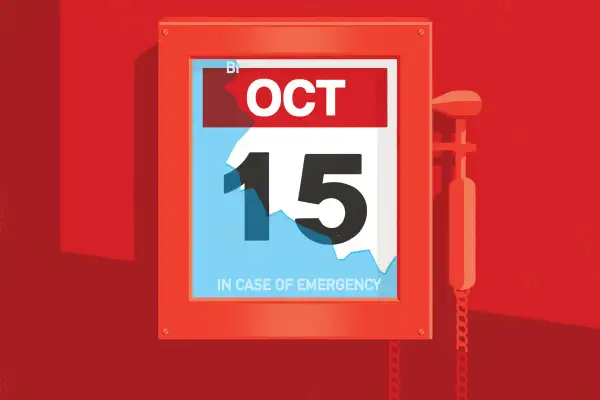
More than 20 million taxpayers requested extensions on their 2024 tax returns, according to IRS estimates from last year. For most folks, receiving an extension will push back the deadline to Oct. 15, which can help if you're missing crucial documents or simply need a while longer to organize your finances.
However, this only gives you more time to file your federal tax return, not more time to pay any taxes you owe. Taxes paid after April 15 will accrue penalties and interest, regardless of whether you've filed for an extension.
Where People Are Solving Their Tax Issues Right Now
The good news? There are several options that will help you pay what you owe the IRS, too.
Here's everything you need to know about requesting more time to file your taxes or pay your tax bill in 2026.
How to file for an extension in 2026
Perhaps the easiest way to request an extension is to submit Form 4868 ("Application for Automatic Extension of Time to File U.S. Individual Income Tax Return") online through an accountant or tax preparation software like TurboTax and H&R Block.
You can also use the IRS Free File program to file your extension for free, regardless of income. This is different from filing your taxes with the program — only those with an adjusted gross income of $89,000 or less qualify for guided tax prep through Free File this year.
If you prefer paper filing, you can download and print Form 4868 from the IRS website and mail it ahead of Wednesday’s deadline. Because USPS postmarks now reflect when mail is processed rather than when it's dropped off, waiting until the last day to send your extension is risky. So make sure to mail your form several days early to ensure it's considered timely.
The IRS address you need to use varies based on your location; you can check the form instructions to find the one you need.
If you plan to file by mail, you can download and print Form 4868 from the IRS website and send it in advance of Wednesday’s deadline. Recent USPS changes mean the date used for filing purposes may reflect when the mail is processed rather than when you drop it off, so waiting until the last day can be risky. To help ensure your extension is considered on time, send it several days early
You can also make a payment toward your estimated liability through the IRS Direct Pay system, the Electronic Federal Tax Payment System, a digital wallet or with a credit/debit card. Make sure to select "extension" or "Form 4868" when making your payment.
This is helpful if you estimate that you'll owe taxes since you can automatically receive an extension to file without having to submit Form 4868 separately.
When filing for an extension, you'll need to provide:
- Your name, address and Social Security number
- An estimate of your total tax liability
- The amount you've already paid through withholding or estimated payments
- The remaining amount you're paying with your extension request
Note that this information applies to getting an extension to file your federal taxes only. Your state, if it taxes income, may have a different process (or different deadlines).
How much does it cost to file an extension with the IRS?
There is no fee to file a tax extension with the IRS.
If you use a tax preparation service or software to file your extension, it may charge a fee for this service. Additionally, if you choose to pay your estimated tax liability by credit card when requesting an extension, you'll pay a processing fee to the payment processor (not to the IRS).
Can you file an extension if you owe taxes?
Yes, you can file an extension even if you owe taxes. In fact, filing an extension is especially important if you can't pay your full tax bill by the deadline.
Filing an extension helps you avoid the failure-to-file penalty, which is typically 5% of the unpaid taxes for each month your return is late, up to a maximum of 25%. This penalty is substantially higher than the failure-to-pay penalty, which is usually 0.5% per month up to that same maximum.
If you can't pay your full tax bill, it's better to file your return or an extension on time and pay as much as you can, then arrange for payment of the remaining balance.
Getting more time to pay your tax bill
The IRS offers a handful of payment programs for those who need more time to pay their tax bill.
If you can pay your taxes within 180 days, you can apply for a short-term payment plan online. There's no setup fee, though penalties and interest will continue to accrue until your balance is paid in full.
For larger tax bills, you can request a monthly payment plan. Setup fees range from $22 to $178 depending on your income, how you apply and how you choose to make your payments.
In cases of significant financial hardship, you may qualify to settle your tax debt for less than its full amount. This is only an option if the IRS determines you cannot pay your full tax liability. Moreover, if paying your tax debt would prevent you from meeting basic living expenses, you can request that the IRS temporarily delay collection until your financial situation improves.
To request any of these payment options, visit the IRS website or call the IRS directly at the number provided on your bill or notice.
Remember, even if you can't pay the full amount you owe, the worst thing you can do is ignore your tax obligations. Filing your return or extension on time, paying what you can and making arrangements for the rest is always the best approach.
Where People Are Solving Their Tax Issues Right Now
More from Money:
How to File Taxes for Free This Year