The Best Time to Buy HVAC: Why Timing May Matter More Than Homeowners Think

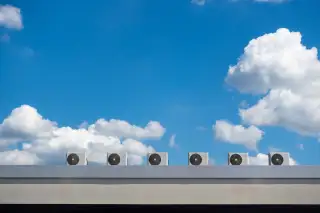
No one really thinks about their HVAC system — until it picks the worst possible moment to stop working.
Usually, that means the hottest day of the year or the first night below freezing, so the decision that follows is rushed. Do you replace your heating, ventilation or air conditioning now, fix it temporarily or try to hobble through one more season? Unfortunately, none of those options are cheap. According to home services marketplace Angi, a full HVAC replacement can cost between $5,000 and $22,000, depending on the system, labor costs and size of your home.
That’s why the timing of your HVAC purchase matters more than you probably realize.
The best time to replace an HVAC system
Spring and fall, often called “shoulder seasons,” are typically the best times to replace an HVAC system. The goal is to replace aging equipment before heating and cooling needs spike in summer or winter.
These shoulder seasons, when temperatures are milder, also tend to come with lower demand for heating and cooling services. That matters because HVAC replacements aren’t just about buying the gear and finding the labor — they’re also about timing. When extreme weather hits, systems can fail under pressure, and homeowners are often forced to make quick choices with limited time to compare estimates, schedule installations or weigh the long-term costs of repair versus replacement.
Off-peak periods offer more flexibility because contractors are generally less overwhelmed with emergency calls. That may make it easier for homeowners to schedule installations and plan around their preferred timeline rather than the weather. In some cases, seasonal promotions, manufacturer incentives or financing offers may be available, though savings vary widely across markets or providers.
Some energy-efficient systems may also qualify for federal tax credits or local utility rebates, helping offset at least part of the upfront replacement cost.
Still, experts caution that waiting until an HVAC system fails entirely can end up being expensive in the long run. Emergency replacement not only limits homeowners’ choices but can also reduce negotiating power.
That’s why many HVAC professionals encourage homeowners to think proactively about aging systems — especially those showing signs of declining performance, such as generating unusually high energy bills or needing frequent servicing. These red flags don’t necessarily mean replacement is immediately necessary, but they can indicate when it’s time to start thinking about your options.
Signs your HVAC system may be near the end
Most HVAC systems don’t fail all at once. More often than not, performance declines gradually over time.
One of the clearest warning signs is frequent maintenance or repeated repairs. An HVAC system that suddenly requires multiple service calls in a short period of time may be more expensive to maintain than it’s worth.
Homeowners may also notice rising energy bills despite unchanged usage habits. Over time, HVAC systems can become less efficient and have to work harder to maintain indoor temperatures, particularly during periods of extreme heat or cold. According to Energy Star, replacing older heating and cooling equipment with high-efficiency models may significantly reduce energy usage and utility costs over time.
If you notice your HVAC system is constantly running or producing uneven temperatures throughout the home, it’s probably time to schedule a professional evaluation.
Age can also be a factor, though HVAC professionals caution against treating it as the only consideration when weighing a replacement. Many HVAC systems can last anywhere from 15 to 20 years, though lifespan can vary widely depending on climate, maintenance history and how heavily they're used.
Joey Dooley, a general manager at ARS in Texas with more than two decades of HVAC industry experience, says evaluating an aging system requires looking beyond age alone.
“In some cases, an 8- or 9-year-old system makes sense to replace. In other cases, you may have a system that’s 15 years old that still makes sense to keep," he says. "We really want to do that analysis and let the homeowner know what the true cost of ownership has been so they can make a decision.”
Ultimately, HVAC professionals say your goal shouldn't be necessarily to replace a system as early as possible to avoid an emergency later on. Rather, you should understand when the long-term cost of keeping it running begins to outweigh the cost of replacement.
Your comfort is fully protected
How to lower HVAC costs
For homeowners trying to save as much as possible when it comes to managing their HVAC, planning ahead can make a significant difference.
Scheduling regular maintenance can help systems run more efficiently and may extend their lifespan, while proactive evaluations by an expert can help homeowners identify small issues before they turn into costly emergencies.
When replacement does become necessary, homeowners may benefit from comparing multiple estimates and asking contractors about financing options, rebates or seasonal promotions. Remember, timing replacement during the off-season may also provide more flexibility in scheduling and decision-making.
At the end of the day, an emergency replacement is often the most expensive scenario. Planning ahead, when possible, can leave homeowners with more options — and ideally less stress — when the time comes to replace an HVAC system.