Why Bigger Isn't Always Better for a New AC Purchase

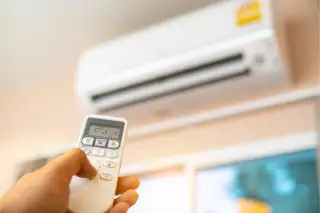
Most homeowners assume that when an air conditioner isn’t keeping up, the solution is to go bigger. A larger system should cool the home more effectively… or so the theory goes.
But that assumption is one of the most common mistakes people make when replacing an AC unit. In many cases, an oversized system doesn’t improve efficiency at all; in fact, it can actually make things worse. Some folks end up paying more for a bigger system only to find themselves dealing with higher energy bills and uneven temperatures.
The reason this happens has to do with how air conditioners are designed to run. Here’s everything you need to know before buying a larger AC.
Why you probably don’t need a bigger AC
An air conditioner isn’t meant to blast cold air for a few minutes and then shut off. It’s designed to run in steady cycles that gradually cool a home and keep the temperature consistent throughout the day.
When a system is properly sized, it not only cools the home at this steady pace but also helps regulate indoor humidity.
But when the unit is too large for the space it’s cooling, the balance gets disrupted. Instead of running long enough to cool the home evenly, an oversized system lowers the temperature too quickly and shuts off early, having reached its set point almost immediately. As warmer air continues to circulate and the temperature rises, the system kicks back on — only to turn off again shortly after.
This repeated stop-and-start pattern is known as “short cycling,” and it prevents the system from doing its job the way it was designed to. It can also put added strain on key components like the compressor and condenser, potentially shortening the overall lifespan of your HVAC (that's heating, ventilation and air conditioning) system.
How to tell if your AC is too big for your home
Most people probably don’t realize their air conditioner is too large for their home — they just notice something feels off. Some common signs to look out for include:
- Short, frequent cycles: The system turns on, cools the home quickly and shuts off within a short period of time.
- Uneven temperatures throughout the home: Some rooms feel warmer or less comfortable even though the thermostat shows the set temperature has been reached.
- Persistent humidity: Although your system is cooling the home, high humidity lingers because the unit hasn't run for the sustained period required to remove moisture from the air.
- Higher energy bills: Frequent cycling can reduce efficiency and cause the system to use more energy than necessary, which may lead to increased monthly utility bills.
- Earlier-than-expected repairs: You may notice more frequent service calls or small issues popping up sooner than expected.
Your comfort is fully protected
What to do if your air conditioner is too big
If you think it’s possible your AC unit is oversized, don't rush to replace it — get a professional assessment first.
“An HVAC system is not complete until it’s installed correctly,” says Scott Urquhart, a sales and operations executive at ARS. “Whether it’s the greatest equipment with the greatest warranty in the world or it’s the cheapest equipment you’ve ever found or heard of, you have to install it correctly. And if you don’t, you’re going to have problems.”
HVAC sizing is more complex than evaluating square footage alone. In professional installations, technicians use detailed load calculations (also known as Manual J calculations) that consider factors like insulation, window placement, sun exposure, local climate and layout. The goal is to figure out how much cooling capacity a specific home actually requires.
From there, homeowners typically have a few options:
- Improve system performance: In some cases, upgrades like zoning systems or variable-speed technology can help an AC that’s too big run evenly.
- Address airflow and insulation needs: Sealing ductwork, improving insulation or correcting airflow imbalances can help reduce strain even if the unit itself isn't replaced.
- Consider replacement: If the unit is aging and frequently short-cycling (among other possible issues), replacing it with a properly sized system may deliver better service and long-term value.
In many cases, the best AC for you isn’t the biggest model. It's the one properly sized and installed for the home it’s meant to cool.