
Older Homeowners Make Less Money When Selling. Here's What They Can Do About It

- 4 Hidden Signs That Your Home's Value Is Rising
- 3 Big Reasons Your Home Isn't Selling (and What You Can Do About Them)
- What Is a Home Equity Loan?
- Are You Making This Six-Figure Budgeting Mistake With Home Repairs?
- Why Refinancing Your Mortgage Can Reshape Your Financial Strategy — Not Just Your Rate

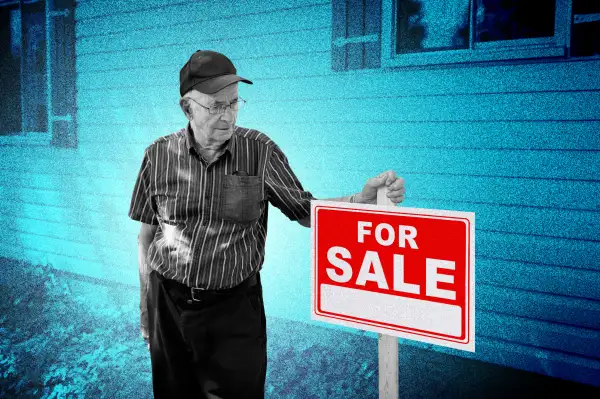
For many people, a home is one of the most important assets they own because it can provide significant wealth in later years. But older homeowners looking to cash in when they sell often end up leaving money on the table.
A recent brief published by the Center for Retirement Research at Boston College shows that homeowners aged 70 or older sell their homes for 5% less than younger homeowners, representing a significant loss of return. An older homeowner selling a $400,000 property, for example, stands to lose $20,000 due to the lower sales price. Understanding why it happens is the first step in making sure you get the most out of your home sale.
One of the main reasons cited by the report for the loss in value is the lack of maintenance. Most buyers prefer homes that are move-in ready or require very little additional work — and money — to make them fit their needs.


Find your actual rate at Rocket Mortgage (NMLS #3030) Today!
View RatesBut properties owned by older homeowners tend to need more repairs and upgrades to suit younger buyers. A home that requires a significant investment to bring up to date is less attractive, so potential buyers are likely to ask for price concessions to offset the extra cost of a remodel.
For many homeowners, maintaining regular upkeep becomes more difficult as they age. Mindy Price, broker at eXp Realty, explains that physical limitations and budget constraints often lead to deferred upgrades and home care that can raise red flags with potential buyers.
"Even when a home has been well-loved, if it's dated, it can have a bigger impact on the buyer's perception and pricing," Price adds.
The other factor cited by the report is how older owners choose to market their homes, with many opting to list their property privately rather than on a multiple listing service. Private listings, also called pocket listings, tend to attract investors who are generally less concerned about the home's condition, can make a cash offer and are more likely to buy at a lower price. That equals less money for the seller.
There are, however, proactive steps homeowners can take to address these two issues and mitigate loss of value. Many of these are relatively easy and affordable, while others may require a larger investment. But they also may result in maximizing a home sale.
Hire an experienced realtor
According to Todd Luong, an associate at RE/MAX DFW Associates in Texas, many older homeowners need help navigating today's real estate market. That's especially true if they bought their homes decades ago, when many online resources weren't available.
Hiring a real estate agent who is familiar with the challenges older homeowners face can help them market and sell the home on the open market — and potentially increase their return on the sale.
Look for a senior real estate specialist (SRES). In addition to marketing and selling your home, this type of agent can help you coordinate cleaning and repair work, find elder law attorneys and connect with financial experts to help you walk through the tax implications of the sale.
Declutter and depersonalize
Potential buyers want to visualize themselves living in the home. That can't happen if it's cluttered with knick-knacks, old furniture or other belongings that take up space.
Removing unused or broken furniture opens up spaces and invites buyers to see what the rooms could look like with their own items. If you're downsizing, removing these things before the sale will make your move out of the home easier. As an alternative, consider placing items you want to keep in storage until the home is sold.
Try to keep home decorations as neutral as possible to appeal to the widest number of buyers. You don't have to remove all personal photos and mementos, but make sure they don't overrun the space.
Your final step is to have the home thoroughly cleaned, including carpets, drapes and upholstery if necessary.
Make essential repairs and upgrades
Sain Rhodes, a real estate specialist at Clever Offers, recommends identifying any necessary home repairs that could detract from your home's value and addressing them before they become a major issue.
Spending $15,000 to replace an old roof, for example, could add $50,000 to your home's sale price. Fixing leaky pipes and replacing broken light fixtures keeps your home from losing value. There are also other, more budget-friendly improvements you can make.
"Think about high-value cosmetic changes that look like they took a lot of effort," Rhodes says."Things like fresh paint and new kitchen fixtures actually add value without costly renovations."
Taking care of deferred maintenance tasks can also help reassure buyers they won't have spend extra cash right away to make the home livable.
Improve the home's curb appeal
The outside of your home is the first thing prospective buyers will see. Keeping your yard and lawn neat and well-maintained can make a positive impression and send a signal to buyers that you take care of the property.
Hiring a landscaping company to clean up the yard, replace dried out grass and refresh flower beds and hedges makes your home more attractive. A new coat of exterior paint, a new door and outside lighting also improve your home's appeal, Luong says.
"Make the curb appeal a little better," he adds. "It's relatively easy to manage, and definitely helps you sell the home for a much, much better price."
Buy your home with more convenience and less hassle

Clear, reliable numbers from day one
- A streamlined online experience from start to finish
- Simple steps with expert guidance along the way
- Confidence at every stage of your homebuying journey
- Dedicated support for first-time buyers

Cutting-edge online marketplace
- Plans for first-time home buyers
- Home buying with as little as 1% down
- Personalized lender recommendation for $0
- Get rates from our providers. Lenders 100% online

Get rates & pre-qualified in minutes
- Low Rates: Quick Quote and Approval
- Rate Lock Protection. Lock Now Before Rates Go Up
- Pre-Approval Letter with Rate Lock Protection
- Over $130 Billion Funded. 23 Years in Business

Shop for your mortgage and save thousands
- Compare multiple offers from top lenders
- Get market-beating rates, save up to $28,000
- No hard credit checks and sales pressure
- It's complete free - no cost to you, ever
NMLS #1450805 © RateGravity Inc. DBA Own Up

Compare lenders and loan options with ease
- Simple, secure process for today’s homebuyers
- Fast access to VA, FHA, USDA & jumbo loans
- Connect with local, regional, and national lenders
- Support for first-time and repeat homebuyers